The Impact of Ignoring Zebra Mussels on Ecosystems and Infrastructure
Zebra mussels are small but mighty invaders in freshwater ecosystems. Without proper management, they can wreak havoc on both natural habitats and human infrastructure. These mollusks, originally from Eastern Europe, have spread rapidly across North America, disrupting local ecosystems and causing significant economic damage. Understanding the risks associated with untreated zebra mussel growth is crucial for preserving water quality and maintaining functional infrastructure. By learning about their impact, you can take proactive steps to protect our waterways.
Ecosystem Disruption Caused by Zebra Mussels
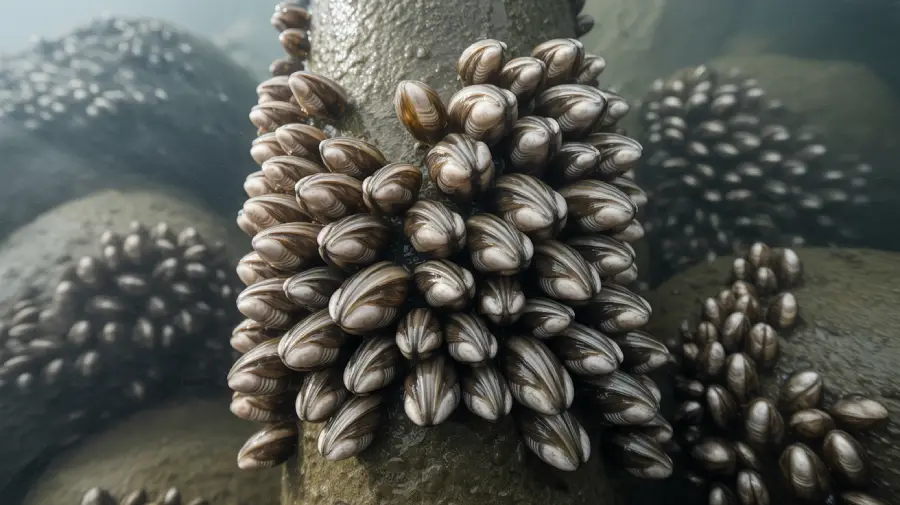
Zebra mussels are notorious for their ability to multiply quickly and outcompete native species for food and space. This leads to a cascade of problems within aquatic ecosystems. Native fish and other aquatic organisms may struggle to survive as zebra mussels consume large amounts of plankton, a critical food source. Furthermore, their presence can alter the water chemistry, affecting the overall health of the ecosystem. These changes not only harm biodiversity but also disrupt the balance needed for healthy aquatic environments.
Economic Impact on Infrastructure
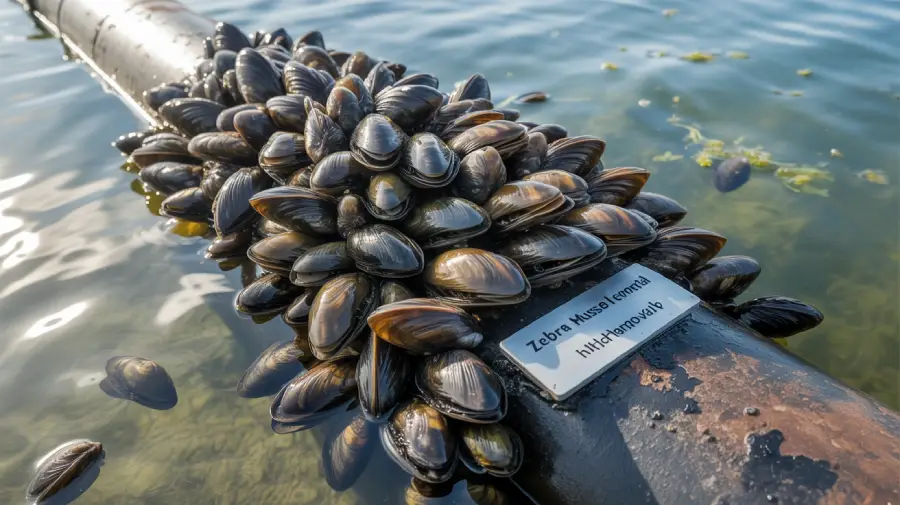
The financial burden of zebra mussels extends beyond environmental concerns. Their tendency to attach themselves to hard surfaces can cause significant problems for water intake pipes, boat engines, and hydroelectric power stations. As they accumulate, they restrict water flow, leading to increased maintenance costs and potential service interruptions. In many cases, zebra mussel removal becomes necessary to prevent further damage and ensure operational efficiency. The cost of dealing with these infestations can be substantial, often impacting community budgets and resources.
The Need for Regular Monitoring and Management
Preventing the spread of zebra mussels requires diligent monitoring and effective management strategies. Early detection is key, allowing for timely zebra mussel removal before populations become unmanageable. Various methods exist to control their spread, including chemical treatments and physical barriers. Regular inspections of water bodies and infrastructure help identify infestations early, reducing long-term costs and ecological damage. A commitment to ongoing monitoring can save communities both time and money while protecting natural resources.
Best Practices for Controlling Zebra Mussel Populations
Implementing best practices is essential in the fight against zebra mussels. Here are some recommended strategies:
- Conduct regular inspections of boats and equipment for zebra mussel signs.
- Drain all water from boats before moving them between different water bodies.
- Clean fishing gear thoroughly after each use.
- Educate community members about the risks and prevention methods.
Compliance With Environmental Regulations
Various regulations exist to mitigate the impact of zebra mussels on the environment. Compliance with these guidelines ensures that efforts to control their growth align with broader conservation goals. For example, certain laws mandate cleaning procedures for boats traveling between different water systems. Staying informed about these requirements helps organizations avoid penalties while contributing to ecological preservation. Adhering to environmental regulations is an integral part of responsible waterway management.
Considering the Costs of Prevention Versus Consequences
While addressing zebra mussel infestations can seem costly upfront, failing to do so may lead to even greater expenses down the line. Investing in prevention measures reduces the likelihood of extensive damage requiring expensive repairs or replacements. Additionally, maintaining healthy ecosystems supports recreational activities like fishing and boating, which contribute to local economies. Weighing these factors highlights the importance of proactive intervention over reactive solutions.
The Path Forward With Expert Guidance
Taking action against zebra mussel proliferation requires expert knowledge and strategic planning. Contact me today at (608) 292-9639 if you’re seeking guidance on managing these invasive species effectively. Based in DeForest, WI, I offer tailored solutions that prioritize both environmental sustainability and infrastructure protection. Trust Aqua-Doc Underwater Marine Services to provide comprehensive support in safeguarding your water resources from this persistent threat.